Common questions
How much does a plumber cost in Downey?
Published national guides put standard plumbing work at $75 to $150 per hour plus a trip or service fee of $50 to $150, with emergency and after hours work at 1.5 to 3 times the standard rate. By the job: drain snaking runs $100 to $275 for a single drain and $200 to $500 for a main line, a sewer camera inspection $125 to $500, leak detection $150 to $600, and water heater replacement $1,200 to $3,500 installed for a tank unit. A written price for the named job, after diagnosis, is the number to compare, not an hourly guess by phone.
A pipe burst in my Downey home. What do I do first?
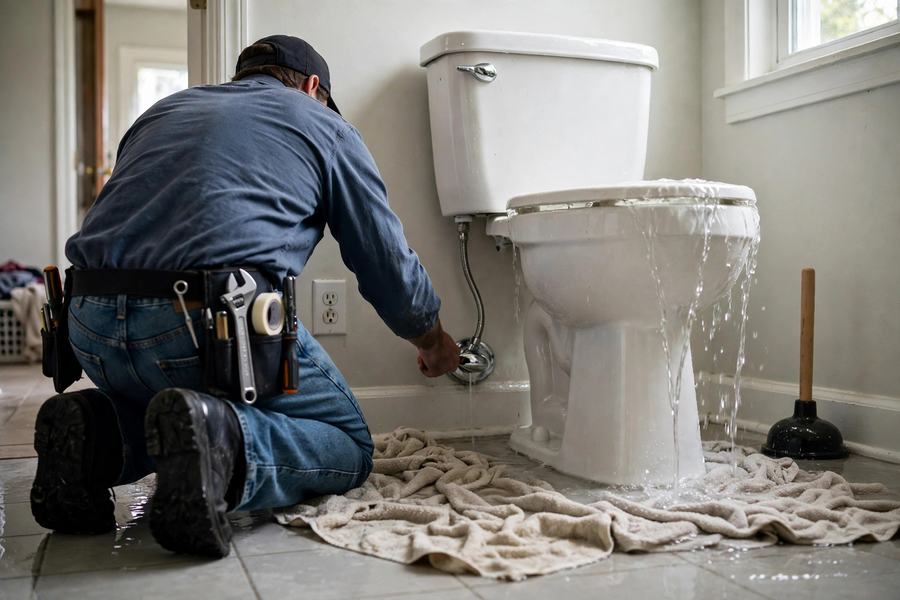
Close the main shutoff, which stops every repair clock in the house at once. If you do not know where it is, say so on the call and you will be walked to the usual locations. Then power off to wet rooms if water is near outlets, move what can be moved off wet floors, and photograph the scene before cleanup. Mop last. The photos and the timeline are what an insurer works from, and drying decisions in the first day decide how much flooring and wall can be saved.
Does homeowners insurance cover plumbing repairs in Downey?
Usually the damage, not the pipe. A worn or corroded pipe is maintenance and its repair is the homeowner's cost everywhere. The sudden water damage a burst pipe causes (floors, walls, belongings) is commonly covered, subject to your deductible, which is why documenting the event promptly matters. Sewer backups are different again: they are commonly excluded from the base policy and covered only by a sewer backup endorsement, typically inexpensive relative to one backup. Ask your insurer about the endorsement before you need it, not after.
My drain keeps clogging. Is snaking it again worth it?
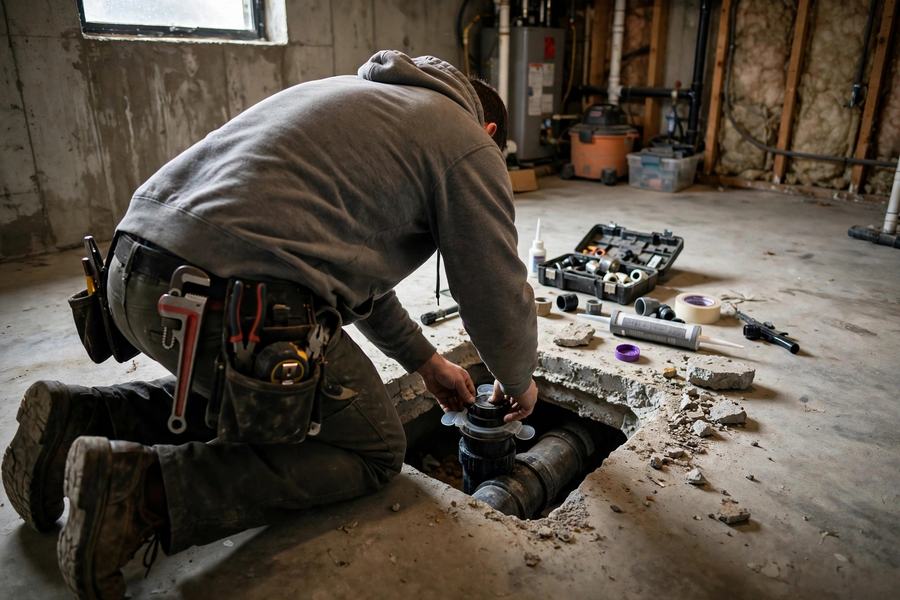
Once, a snake is a fix. Twice in a season, it is a symptom with a bill attached. Repeat clogs mean something structural: roots at a joint, scale narrowing the line, a belly holding water, or grease that a cable only pokes a hole through. The honest next step is a camera inspection at $125 to $500 in published guides, which converts guesses into footage. Chemical drain cleaners, meanwhile, mostly damage pipes and the person who later cables them; the trade's advice is to skip them.
My water heater is 10 years old. Repair it or replace it?
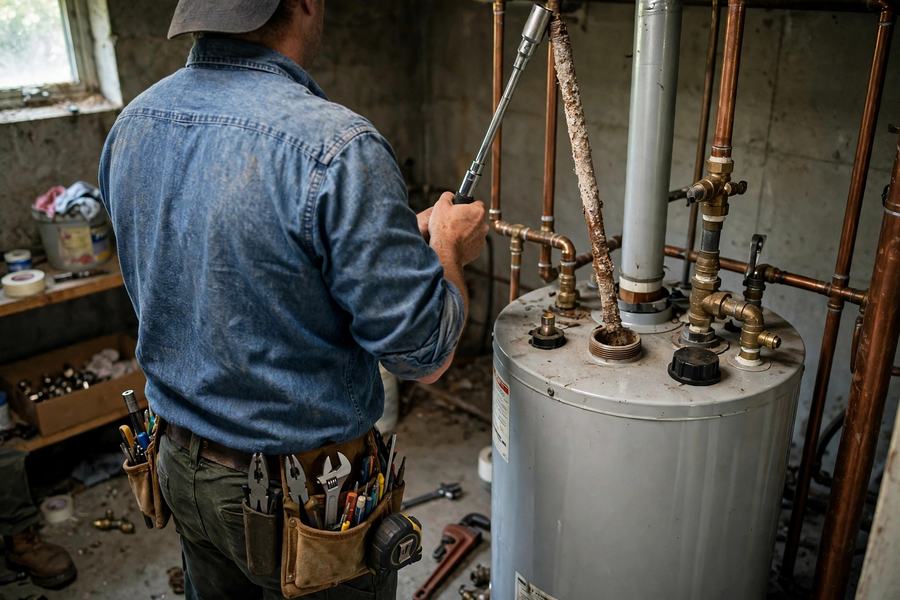
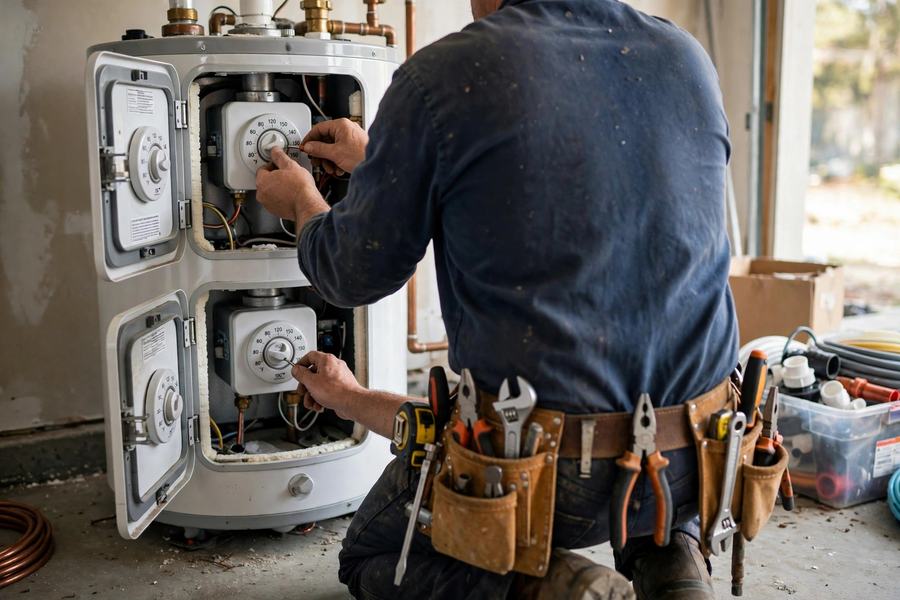
Apply the 50 percent rule the trade uses: if the repair approaches half the cost of a new unit ($1,200 to $3,500 installed for a tank in published guides), replacement usually wins at that age, because the tank itself has four to six years of statistical life left at best. The exception is a cheap control part on a tank with no rust, no sediment roar, and dry fittings. A tank leaking from its body is not a repair conversation at any age; the body is the tank.
How do I keep pipes from freezing in Downey?
The failures cluster in the same places: lines in exterior walls, crawl spaces, garages, and against rim joists. Insulate those runs, seal the drafts that pour cold air over them, keep cabinet doors open on the coldest nights so room heat reaches wall lines, and let a vulnerable faucet drip slowly when a hard freeze is forecast; moving water resists freezing and relieves pressure if ice does form. Know your shutoff before the cold snap, and disconnect and drain exterior hoses in the fall. A line that froze once will freeze again until its exposure is fixed.
Is a sewer camera inspection worth paying for?
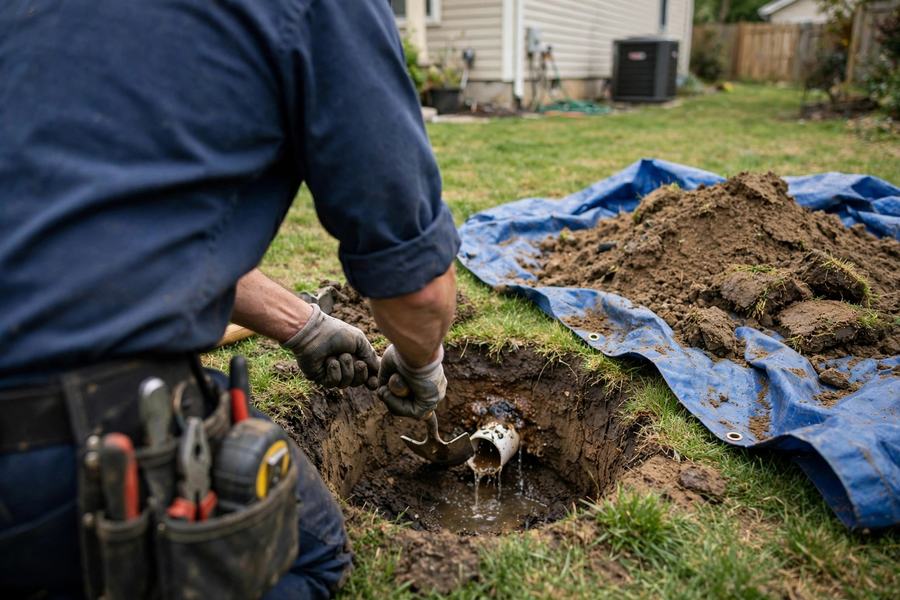
When the decision is expensive, yes. A camera at $125 to $500 in published guides answers the questions that decide thousands: roots or collapse, one joint or the whole run, lining candidate or excavation. On a line that clogs once and clears, it is optional. On a line that clogs twice, on an old clay or cast iron lateral that has never been seen, and before buying a house, it is the cheapest certainty in plumbing.
All my drains slowed down at once. What does that mean?
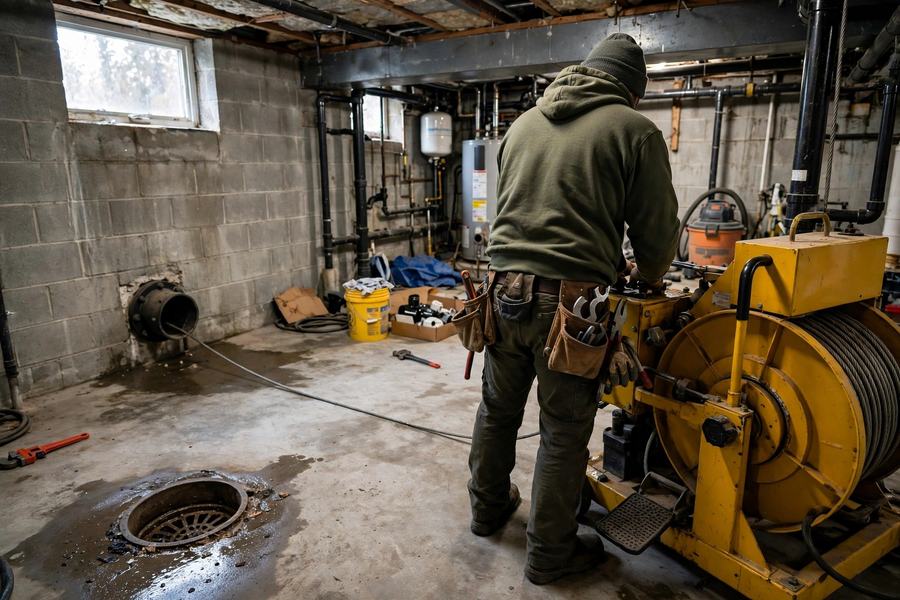
That pattern is the main line, not the fixtures. One slow sink is that sink's trap or branch; every drain slow together, with a toilet gurgling when the washer drains, means the restriction sits where all of them meet. Stop running water where you can, because the next stage is backup at the lowest fixture, and call today. Main line clearing runs $200 to $500 in published guides, and what the cable brings back (roots, grease, scale) decides whether a camera should follow.
See all questions →
Local guides